

William Al-badeesh, Head of Publisher Relations and IP Licensing at Phygital International, on why trust beats reach, what a real partnership looks like, and why the pitch is never the same twice.
The first thing I tell a publisher who’s never heard of Games of the Future (GOTF) is this: forget everything you think you know about tournament licensing.
I’m not here to run your game at an event. I’m here to put your title on a stage that no one has ever built before. I reframe the conversation entirely.
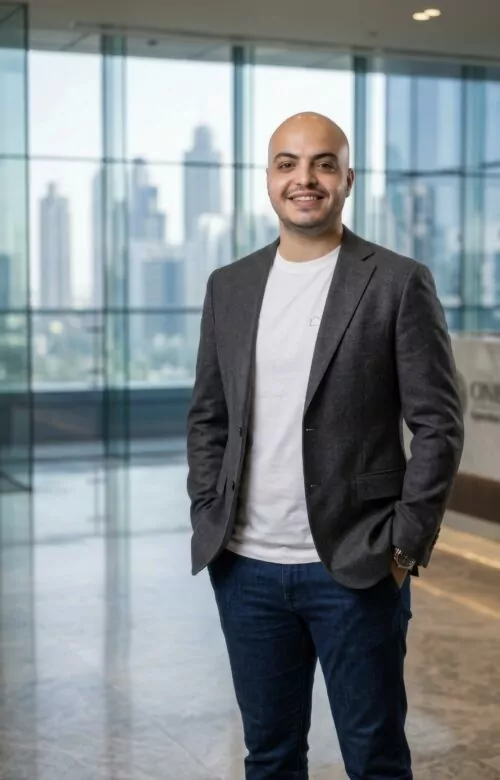
William Al-Badeesh
Publishers hear licensing pitches constantly. What they don’t hear is someone explaining that their game could sit alongside a live athletic competition – that the same audience watching a 5v5 basketball match will then watch their title played at the highest level, in the same venue, on the same day. That’s a different conversation.
My job in those early meetings isn’t to talk. It’s to listen. Every publisher has a different priority. Some care about reach, some about competitive integrity, some about what a brand association says about their title. Until I understand what matters to them, I can’t show them why GOTF is the answer. The pitch is never the same twice.
But if there’s one thing every publisher needs to hear before anything else, it’s this: we will treat your IP with the same respect you would. That’s it. Publishers have spent years building competitive ecosystems, communities and brand identities around their titles. The moment they sense that could be compromised, the conversation is over. Reach, prize pools, broadcast numbers – all of that comes second. Trust comes first. And trust is built by showing up prepared, knowing their game inside out, and being honest about what GOTF is and what it isn’t.
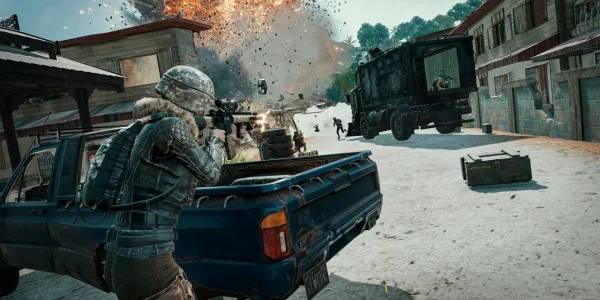
PUBG: Battlegrounds is the latest game to sign up to GOTF Astana 2026
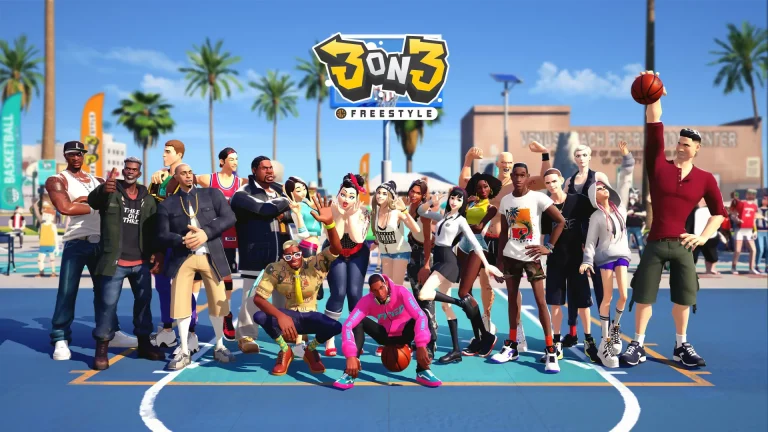
What surprises most publishers is how far the partnership extends beyond the competition itself. People assume a licensing deal ends at permission to run a game at an event. For us, that’s just the beginning. At GOTF 2026 in Astana, our work with the 3on3 Freestyle publisher is a good example of what genuine integration looks like: branded in-game courts reflecting the GOTF identity, and a co-branded t-shirt giveaway going out to all users globally during the event window. The game doesn’t just appear at GOTF – GOTF appears inside the game. That creates value no traditional tournament sponsorship can deliver.
The other question I hear constantly is whether the phygital format dilutes a title’s competitive identity. It’s a fair concern, and the answer is in how the format actually works. In Phygital Fighting at GOTF 2026, where FATAL FURY: City of the Wolves is the featured title, we’re not asking a professional MMA fighter to become a top-tier fighting game competitor. The format allows a team to include both – an esports player for the digital phase, a combat sports athlete for the physical. Each performs at their own highest level. Points combine. The result is complementary, not compromised.
The same logic runs through every discipline. Phygital doesn’t dilute competitive identity – it expands it.
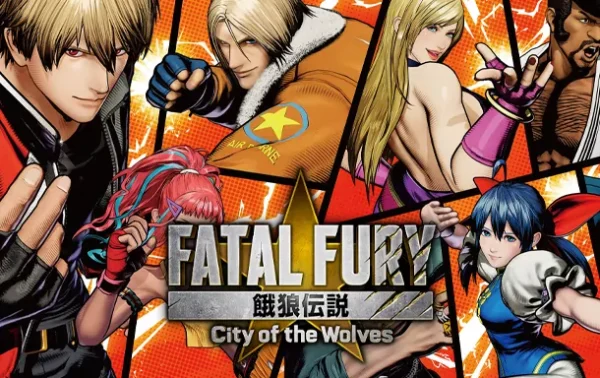
Fatal Fury: City of the Wolves, has been announced as the title for Phygital Fighting
What GOTF offers that no traditional esports tournament can manufacture is context. The people in the venue aren’t just gaming fans. They’re sports fans, families, athletes – people who’ve never watched a competitive gaming event in their lives, who are suddenly watching because they came for the football or the basketball. That crossover moment is real new audience exposure, not deeper penetration of an existing one. For a publisher, that’s a fundamentally different value proposition.
The shift I’m watching in real time is publishers arriving at the table having already done their homework. They’ve seen the numbers from Abu Dhabi – 461 million verified views – they’ve tracked how their titles performed, and they’re starting to think about GOTF as part of their competitive calendar rather than an experiment. The question is no longer “what is this?” It’s “how do we make the most of it?”
A successful partnership doesn’t end when the closing ceremony finishes. It ends with a debrief, a set of shared learnings, and “ideally” a conversation about what comes next. Several of our publisher partners from GOTF 2025 have already committed to GOTF 2026. That continuity is the best signal that the partnership delivered real value.
We also use the post-event period to set the foundation for future editions. Those conversations with publishers start immediately after the event – not months before the next one. The relationship has to be continuous to be meaningful.
This article first appeared in Phygital International’s E-zine, your go-to source for the latest news and exclusive interviews from the world of phygital. Subscribe below to get the latest free issue delivered straight to your inbox.
Subscribe to E-Zine