
The way people connect with sport is changing. For a generation that moves naturally between the physical and digital worlds, the opportunity to bring these two experiences together in a hybrid format is opening up new possibilities for athletes, fans and the wider sports industry.
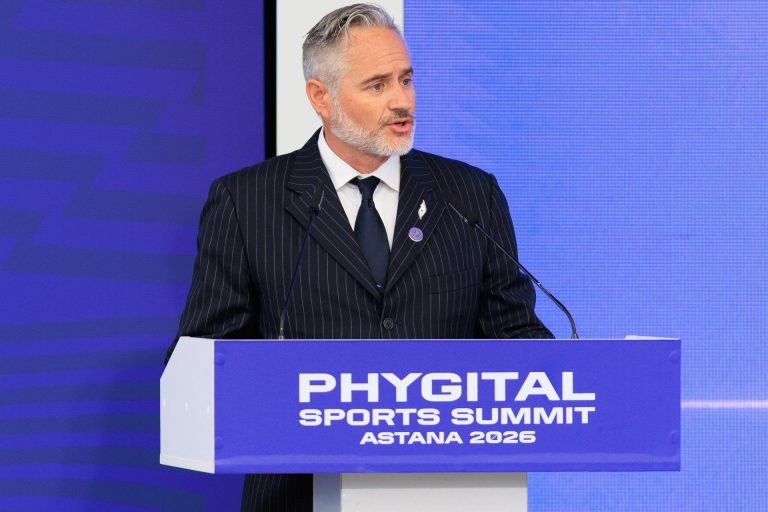
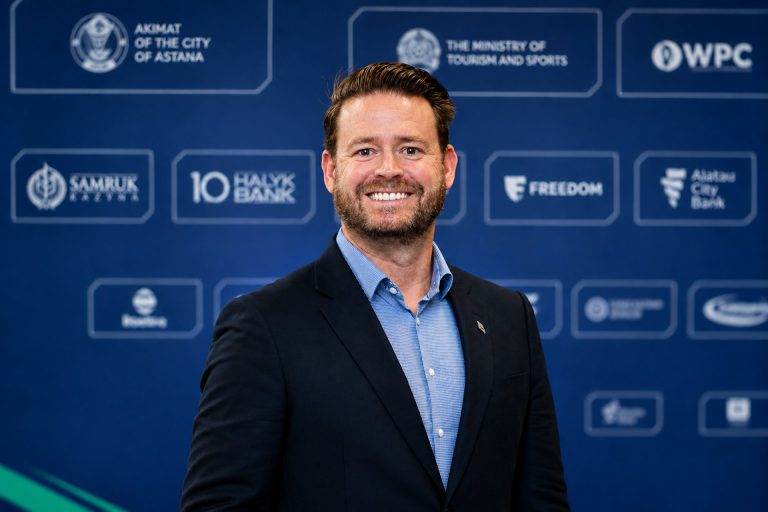
John Hewitt, International Marketing and Communication Director at Phygital International, sees this connection as one of the reasons behind the growing appeal of phygital sport. By meeting athletes and fans in a world they already know, the movement can become a natural part of their everyday lives.
Following the Games of the Future Astana 2026, Hewitt reflects on how the movement is evolving both on and off the field of play. From the scale of event production and the experience of spectators to the growing relationships with video game publishers, each plays a role in introducing phygital sport to new audiences.
We spoke to John about what makes a phygital athlete different, the importance of creating memorable experiences for fans, the role of host cities and industry partners, and his vision for a future in which phygital sport becomes a household name.
Why is Phygital Sport important right now?
It’s the way it connects with audience and athletes. It meets athletes and fans where they are in their daily lives. Fans are now in the digital sphere, connecting with friends, learning, working, and at the same time training physically and participating in sports. So, it’s a natural mix, and we are meeting our fans, athletes, and audience in their world.
What new opportunities does this sport create for athletes, and what makes a Phygital athlete different?
Well, the opportunity for athletes is that there are more chances to compete. Whether it’s in physical live competitions but also online, whether it be on streams, social platforms, and whatnot. They have the opportunity to have more exposure and to practice the sport and compete in different arenas.
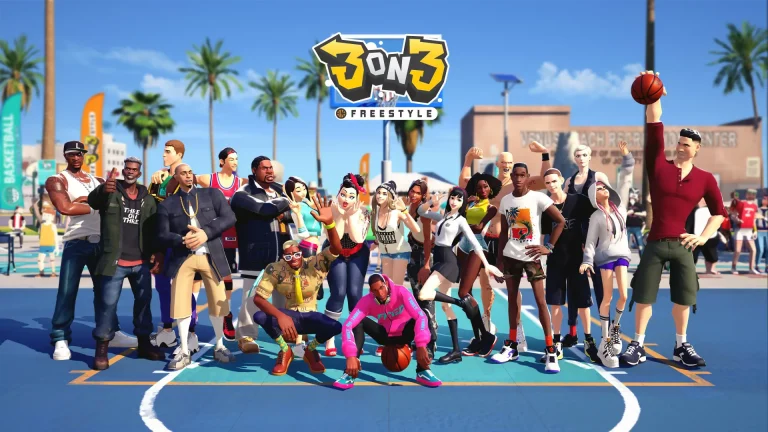
So, the Phygital athlete, it’s the perfect hybrid athlete, because they have to master the physical element, the discipline, the training. They have to master the discipline, the training, the skills, and the stamina in the physical world. But also, they have to focus on the tactics, the strategy, and bringing that into the Phygital sport.
How would you describe the spectator experience at this year’s Games of the Future we had in Astana?
It’s truly amazing. The way fans engage, young and old, in terms of how they react to the digital gameplay, but also for the physical side of it was really special. Credit to our host in Astana, the setup and the look and the feel of the venue and how the gameplay is represented is truly special.
And once again, the Games of the Future featured spectacular stages and world-class event production. Are the overall on-site and broadcast experiences among the key criteria you emphasize when discussing the event with prospective host countries?
For the host of the Games of the Future, it’s really important to create an experience that translates well into broadcasting and for the audience that aren’t in the stadium. And to do this, you have to create a field of play in the imagery that is very dynamic and captures the energy and the spectacle that is the Games of the Future. So, Astana has definitely done all the right things to make sure that what goes out to the outside world around the Games of the Future truly captures the energy, the excitement and the quality of these games.
Video games are a cornerstone of the phygital ecosystem. How would you assess your collaboration with game publishers? Are they ever cautious or hesitant about partnering with the organization?
When you begin a relationship with the publishers as a new concept, a new sport they need to be prudent and diligent. What we now have is that, after delivering a successful event in Abu Dhabi and now delivering in Astana, we’ve built the trust up between our publishers so that they feel comfortable with what the Games of the Future is, the sustainability of it and that we’re here in the long run. And they feel very comfortable with the organization and the Games of the Future. And we see this with the increased opportunities for collaboration, whether it be in social and digital and whatnot. As Games of the Future is an exciting project and platform to reaching fans and athletes, publishers are now excited about partnering with us because they see a massive opportunity and potential through phygital sport. There is naturally an excitement from the publishers as they join us on our journey from a new sport into something truly great.
What feedback did you receive from athletes, spectators and sponsors regarding this year’s GOTF 2026 in Astana?
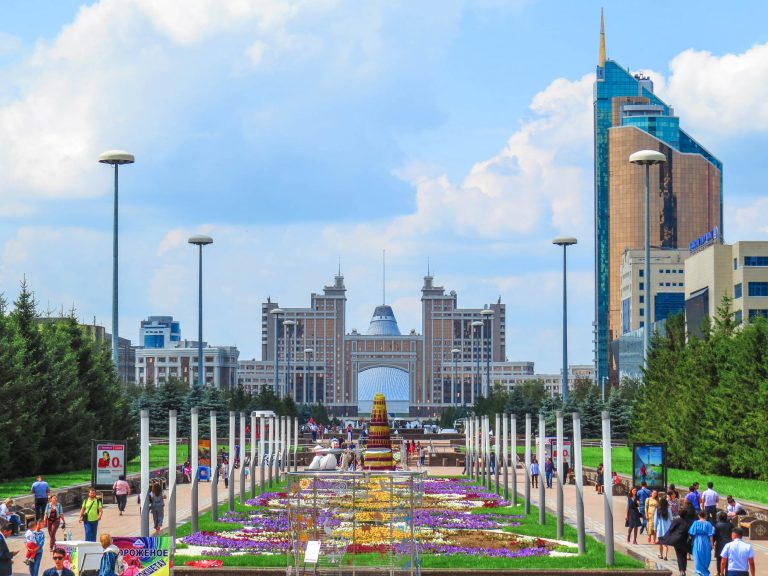
The feedback was really positive. And I have to give credit to the host city. Our host, Astana, have done an amazing job in welcoming all athletes and all our fans to the city. The second you arrived to the venue, you’re greeted by volunteers, smiling faces, welcoming. And once you get to the field of play and you see the arena and everything and you see the smiling faces and the families there and just people enjoying Phygital Sport. It really energized the athletes and the ones I’ve spoken to really appreciated that. And it helped them elevate their game to the next level. So, very, very nice.
In just a few years, Phygital Sports have experienced remarkable growth in popularity. How do you envision the future of the movement? And what do you see as its ultimate potential?
We’ve been very fortunate for a new sport to be able to grow at the rate we have. And it’s a testament to the concept and the ethos of our event. So, that is why we’re able to grow so quickly. We witness this growth year on year, but ultimately, the goal is for Phygital to become common knowledge where we don’t have to educate people on what the new concept of Phygital Sport is. It just becomes part of everyday vernacular for people and essentially, Phygital Sport and the Games of the Future become a household name.
What should the athletes and fans feel when they enter these venues?
When fans enter the venue for the first time and they come in we want them to feel the energy. The energy of the people in the arena, but also the energy from the scale of the production and what’s put into making the show of this sporting competition so good. Whether it’s the giant LED screens, the animations, the digital floor for basketball. It needs to wow people and that’s what we’re able to achieve with the technology and innovation that’s put into the production and what the fan and audience experience.
We want our fans to feel like they’re at home because when they look at that pitch or the basketball court, we want them to envision themselves being a part of that story. When they see the digital side of it, we want them to envision themselves competing, being with their friends and just at a bigger scale and a grand scale. We’re trying to motivate and energize and get the next generation of Phygital athletes to be excited and to see themselves on the floor, on the pitch, on the court, competing.