

For a new sporting movement to grow, people first need to see it, understand it and have the opportunity to experience it. That makes broadcasters and media organisations an important part of the Phygital journey.
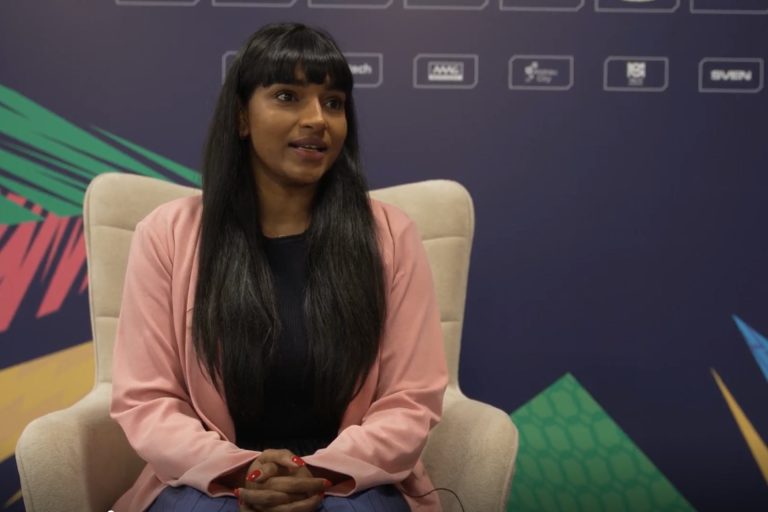
Melissa Holler, Multimedia Manager at TV BRICS Africa, travelled to Astana as part of the South African media team accompanying the country’s participants at the Games of the Future 2026. It was her first visit to Kazakhstan and her first opportunity to experience the competition and its different disciplines from the ground.
During her time in Astana, Holler visited several venues and had the chance to see a different perspective on the scale of the competition and the production behind it. As someone working in broadcasting, she sees the opportunity to share Phygital Sport with audiences who may have never encountered the concept before, particularly young people across Africa.
We spoke to Melissa about her first impressions of Astana, the experience of seeing Phygital Sport in person, the role broadcasters can play in introducing the movement to new audiences and why greater access to information can help young people discover new opportunities in sport.
First of all, I would like to ask you about the impressions you have from the venues, the organisation, and what the overall feeling you have from experiencing the Games of the Future 2026 in Astana.
The overall feeling that I have is that it was a world-class event that took place in Kazakhstan. It was my first time in Astana, and the venues were absolutely beautiful. Just travelling around by taxi, using Yandex, was really easy and simple, so getting from venue to venue was not difficult. It has just been such a joy to be there and witness such a world-class performance across all the different venues.
I visited “Beeline” for the Phygital Shooter and LASK Athletic Stadium for the football, and I followed the dancing as well. All the venues in Kazakhstan really accommodate all of the participants, accommodate Phygital Sport, and the whole production of the Games of the Future has been absolutely stunning. You had to be there in person to really understand what it actually feels like.
There are not many words that I can put into it, but it does look like something so futuristic, and it is just such a blessing to be there, to witness it, and to be able to understand on the ground how this event feels.
How important is broadcasting in order to deliver the message and support the growth of the Phygital movement?
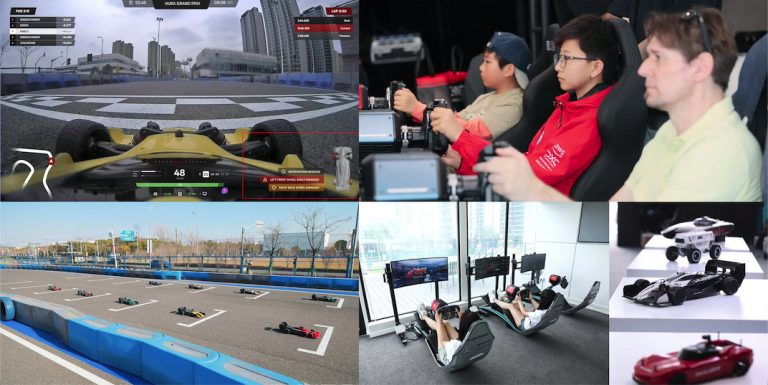
So, for me, as someone in the broadcasting industry, it is extremely important that the Phygital Games are broadcast and shared with audiences worldwide. It’s a new concept, and more people need to understand what Phygital Games are. Before coming to Astana, I was also trying to understand how the Phygital Games actually work across the different disciplines. For football, for instance, it could be easy for someone who plays on the PlayStation to understand and then also go into the physical aspect. But for dancing and for the Phygital Shooter, especially this discipline, the production that I witnessed from the physical aspect of how everything was put together was absolutely entertaining.
So, it was extremely important that we share what were actually happened there on the ground, so that more and more people can benefit from understanding and also participate, and know that playing a game is not just sitting down anymore. You can actually be physical, and it is a sport.
And also, just being around the sportsmen and the camaraderie, it has been really uniting and very, very motivating. So, all of that needs to be shared, especially for us in Africa. Such information needs to be shared so that more youth can know what is happening in Africa, what is going on, and the developments, because we don’t get a lot of access to information.
So, this was a way for us to be able to share and really empower our youth to know that the future is really and truly growing and is accessible to them.