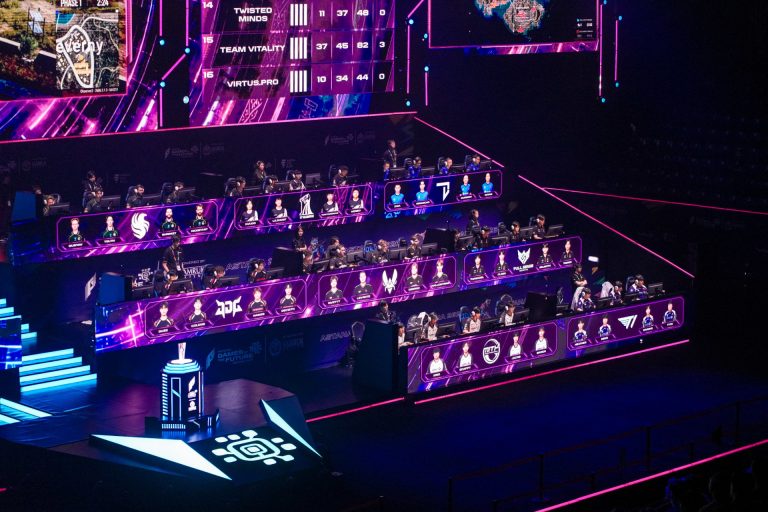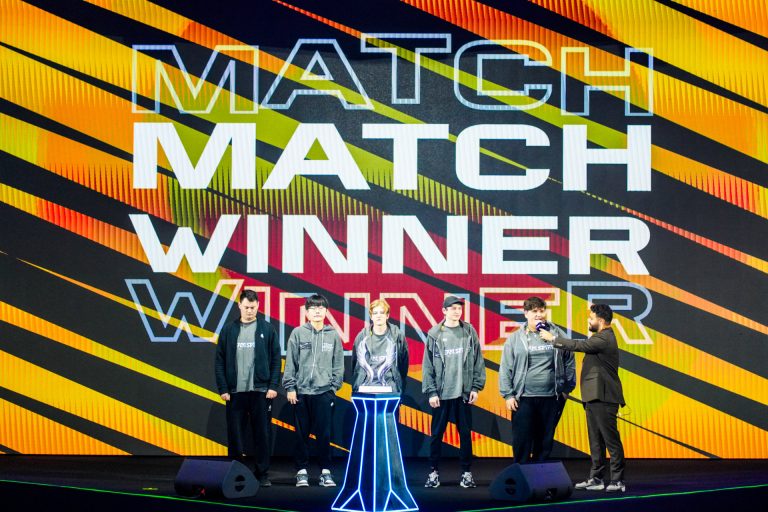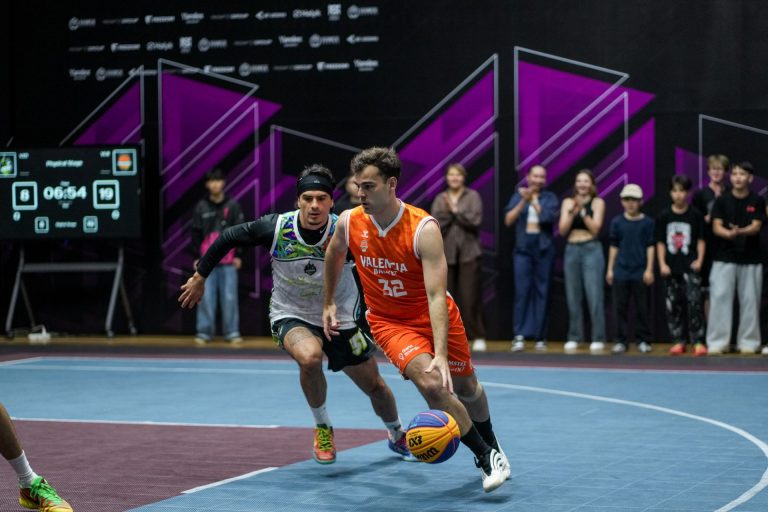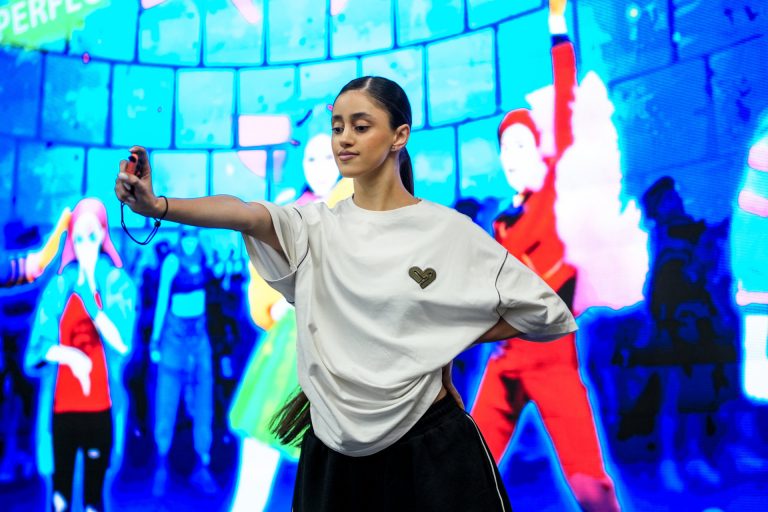


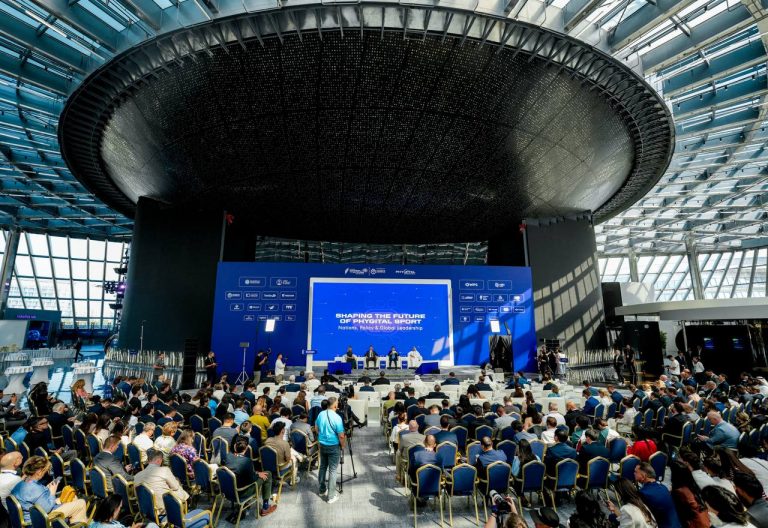
Government ministers, technology executives and sports figures gathered in Astana today for the second Phygital Sports Summit, where discussion centred on a single question: what does sport look like for a generation that grew up moving between physical competition and digital play?
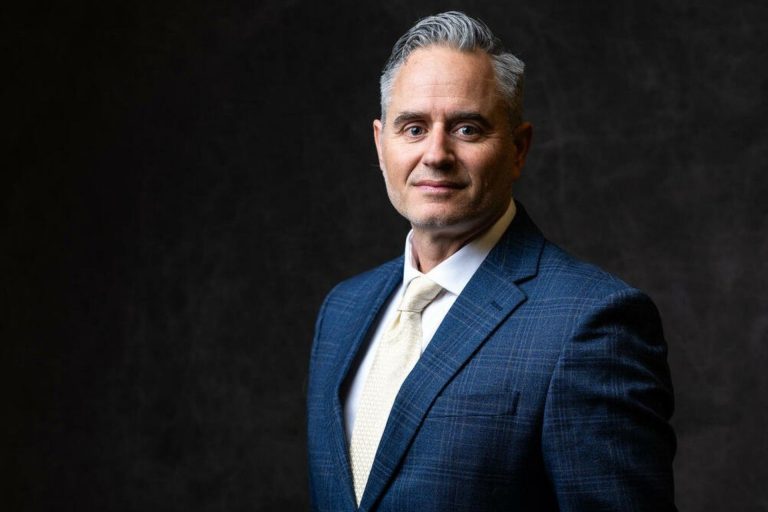
Hosted at the International Center of Artificial Intelligence “Alem AI” alongside the opening day of the Games of the Future Astana 2026, the invitation-only summit was opened by Daniel Merkley, CEO of Phygital International. Speakers included:
- H.E. Yerbol Myrzabossynov, Minister of Tourism and Sports, Republic of Kazakhstan
- H.E. Dr. Ahmad Belhoul Al Falasi, Minister of Sports, United Arab Emirates
- H.E. Farid Gayibov, Minister of Youth and Sport, Republic of Azerbaijan
- H.E. Adkham Ikramov, Minister of Sports, Republic of Uzbekistan
- Dipesh Makwana, Head of Business Development META MEGS, Alibaba Cloud
- Sir Paul Foster, President and CEO, Global Esports Federation
- Laura Moreno, Co-founder and CEO, Playformance.gg
- Ursula Romero, CEO, International Sports Broadcasting
- HH Princess Sophia Wolkonsky, Founder and CEO, Castillia
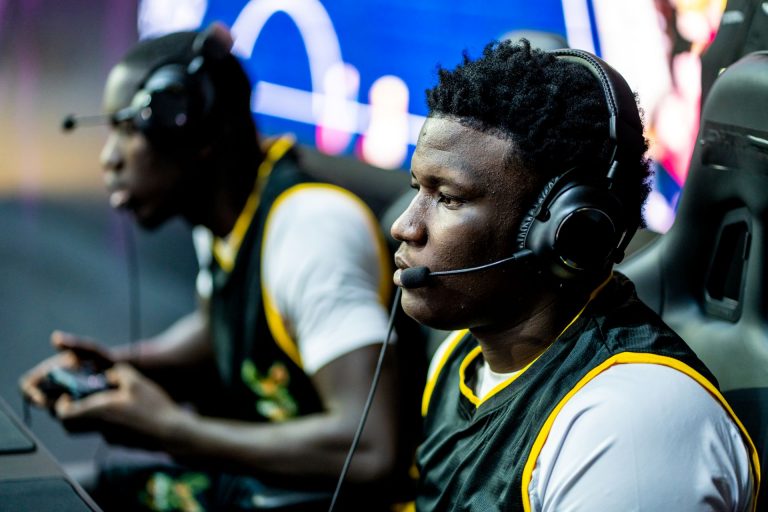
A central theme was youth engagement. Ministers discussed how combining physical activity with digital experience can reconnect young people with sport in ways that reflect how they already live, learn and compete. Speakers also pointed to investment in phygital infrastructure, education and innovation as a route to economic growth alongside new openings for youth participation, skills development and community engagement.
Technology was the second major thread. Dipesh Makwana set out how AI and cloud infrastructure are changing fan engagement and the in-competition experience with speakers cautioning that innovation should enhance sport, not replace it. Panels also explored how personalized content, interactive broadcasts and richer storytelling are drawing fans closer to athletes and competitions.
A third strand addressed the commercial convergence of sport, gaming and technology. Sir Paul Foster joined industry leaders to argue that publishers, technology companies, broadcasters, rights holders and sporting organisations need closer collaboration to sustain the phygital ecosystem’s long-term growth alongside a growing role for athlete-driven content in building global fan communities.
The Summit closed on the idea of the “phygital generation” itself: how culture, community and competition are evolving in an increasingly connected world. Moreno, Romero and Princess Sophia discussed how technology, participation and authentic storytelling will shape sport’s next generation. The panel’s consensus even as technology transforms the sporting experience, human connection and shared experience remain at its centre.
“The Games of the Future showcase the evolution of sport in action. The Phygital Sports Summit brings together the leaders helping to shape where it goes next,” said Daniel Merkley, CEO of Phygital International. “By connecting expertise from government, sport, technology and business, we are creating the partnerships and ideas that will support the continued growth of the global phygital movement.”
Now in its second year, the Phygital Sports Summit is establishing itself as the movement’s flagship thought leadership platform a forum where government, sport, technology and business exchange ideas and forge the partnerships shaping phygital sport’s next phase. Held alongside the opening day of the Games of the Future Astana 2026, the Summit underlined that the phygital movement extends well beyond competition, into collaboration, investment and long-term ecosystem development.